
As electric vehicles (EVs) continue to grow at an unprecedented pace, lithium-ion batteries have become the core force powering this industry shift. As EV battery systems become more powerful, compact, and complex, the demand for advanced protective films has surged.
These films play a critical role in ensuring safety, durability, and performance across battery cells, modules, and packs.
The Role of Protective Films in EV Batteries
EV batteries operate under extreme conditions, including high voltages, elevated temperatures, and constant mechanical stress. Without adequate protection, these conditions may cause short circuits, thermal runaway, or early performance degradation. Protective films function as a versatile barrier, delivering electrical insulation, thermal regulation, and mechanical durability.
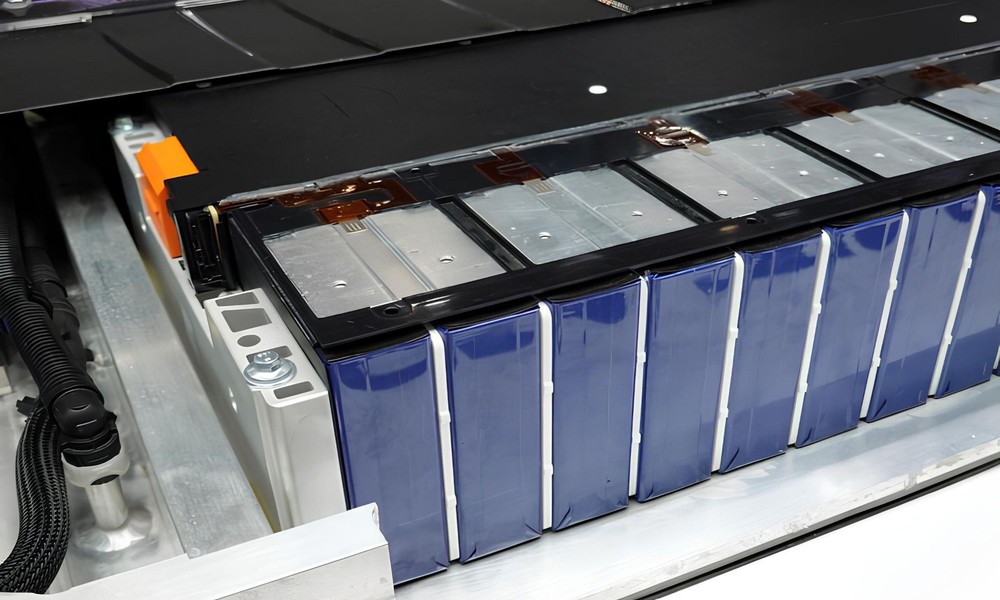
Modern battery designs rely heavily on thin polymer-based films because they are lightweight, flexible, and highly efficient. These films are applied at various stages-from individual cell wrapping to module-level insulation and pack-level protection-ensuring comprehensive safety coverage.
Key Functions of Protective Films
1. Electrical Insulation
One of the most critical functions of protective films is preventing electrical short circuits. EV battery cells carry high voltages, and even minor insulation failures can cause arcing or system failure. Dielectric films are widely used to wrap individual cells and isolate conductive components.
These films provide high dielectric strength while maintaining a thin profile, making them ideal for compact battery designs. They also offer resistance to electrolytes, ensuring long-term stability within the battery environment.
2. Thermal Management and Safety
Heat generation is inevitable in lithium-ion batteries, especially during fast charging or high-load operation. Protective films contribute to thermal stability by acting as heat-resistant barriers and insulating layers.
Advanced materials such as polyimide films, aerogels, and ceramic-based coatings can withstand extreme temperatures and help delay or prevent thermal runaway. These materials are often flame-retardant and maintain structural integrity even under severe conditions, improving overall battery safety.
3. Mechanical Protection
During manufacturing, transportation, and operation, battery components are exposed to vibration, impact, and abrasion. Protective films shield sensitive surfaces from scratches, dust, and physical damage.
For example, PET protective films adhere securely during processing but can be removed cleanly without residue, ensuring that battery components remain intact and contamination-free. This is particularly important for maintaining precision and reliability in high-performance EV batteries.
4. Environmental Protection
Moisture, chemicals, and contaminants can significantly degrade battery performance. Protective films act as a barrier against environmental exposure, preventing corrosion and maintaining internal stability.
Polyester films applied in EV batteries offer excellent chemical resistance and dimensional stability, maintaining reliable performance throughout their service life. Additionally, conformal film coatings can protect electronic components from humidity and contaminants while allowing necessary airflow.
Types of Protective Films Used in EV Batteries
PET Insulation Films
PET films are among the most commonly used materials due to their balance of cost, performance, and versatility. They offer excellent electrical insulation, thermal resistance, and mechanical strength, making them suitable for cell wrapping, bus bar insulation, and module separation.
Polyimide Films
Known for their high तापerature resistance, polyimide films are ideal for extreme thermal environments. They are commonly utilized in high-temperature zones, including areas surrounding electrodes and power electronic components.
Ceramic and Composite Films
Emerging technologies include ceramic-based coatings and composite films that provide both dielectric insulation and flame resistance. These materials are designed to enhance safety while enabling lightweight battery designs.
Separator Films
Although primarily a functional component within the battery, separator films also serve as a protective layer by preventing direct contact between electrodes. Companies like SEMCORP Group are global leaders in producing these critical materials.
Advantages of Protective Films in EV Manufacturing
Protective films offer several advantages that align with the evolving needs of EV manufacturers:
- Enhanced Safety: Reduce the risk of short circuits, overheating, and thermal runaway
- Lightweight Design: Contribute minimal weight while delivering high performance
- Improved Efficiency: Support compact battery architectures and efficient assembly
- Extended Lifespan: Protect against environmental and mechanical degradation
- Cost Savings: Minimize defects, rework, and warranty claims
These benefits make protective films indispensable in modern EV battery engineering.
Future Trends and Innovations
As EV adoption accelerates, the demand for more advanced protective materials continues to grow. Future developments are likely to focus on:
- Ultra-thin high-performance films for higher energy density
- Multifunctional materials combining insulation, thermal management, and EMI shielding
- Sustainable and recyclable films aligned with environmental goals
- Smart films capable of monitoring temperature or stress in real time
Research into bio-inspired and nanostructured films is also opening new possibilities for improving battery safety and efficiency.