When a car’s engine gives out, the first emotion most owners feel is dread about the bill. The second is confusion, because the options are rarely explained in plain terms. Should you rebuild the motor you already have, buy a remanufactured unit, source a brand-new crate engine, or import a used one? Each choice carries a different price tag, a different risk profile, and a different timeline. This is an attempt to lay them side by side honestly, so the numbers stop feeling like a mystery.
Starting With the True Cost of a Rebuild
Rebuilding sounds economical because you are keeping your original block. In practice, the final invoice depends almost entirely on what the teardown reveals. A shop quotes you a figure to open the engine, but the real cost emerges once they inspect the cylinders, crankshaft, and head. Worn bearings, scored cylinder walls, or a cracked head can turn a modest estimate into a serious expense.
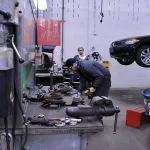
Labor is the hidden multiplier. Machining, honing, cleaning, and reassembly take many hours, and skilled machinist time is not cheap. When the job is done well by an experienced shop, a rebuild can last a long time. When it is done poorly, or when corners are cut on parts to hit a price point, you may be back in the same position within a year. The variability is the problem: two rebuilds of the same engine can differ dramatically in both cost and durability.
The New and Remanufactured Route
A brand-new crate engine from the manufacturer is the gold standard for peace of mind. It is also, by a wide margin, the most expensive option for most vehicles. For newer cars still under consideration for long-term ownership, that premium can be justified. For a vehicle that is ten or fifteen years old, spending crate-engine money rarely makes financial sense against the car’s overall value.
Remanufactured engines occupy the middle ground. These are used cores rebuilt to standardized specifications, usually with a warranty attached. They cost less than new but more than most alternatives, and the warranty provides genuine reassurance. The catch is availability. For popular domestic engines, remanufactured units are easy to find. For many imported Japanese engines, the remanufactured supply chain is thin or nonexistent, which pushes buyers toward other solutions.
Where Imported Used Engines Fit
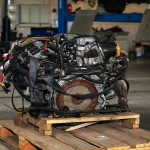
An imported Japanese engine changes the math because you are buying a complete, running unit rather than paying for the labor to restore one. The engine already proved itself in a vehicle overseas, and thanks to Japan’s inspection system, many of these units carry remarkably low mileage for their age. That combination of completeness and low wear is what makes the price so attractive.
The economics become clearest when you factor in labor. With a rebuild, you pay for extensive machine-shop hours. With an import, the labor is limited to removing your old engine and installing the replacement, work that any competent shop can perform. You skip the entire teardown-and-machine phase. Suppliers like jdmenginedirect.com specialize in sourcing these units, inspecting them, and shipping them ready to install, which is precisely why the total cost so often lands below a comparable rebuild.
Comparing the Numbers That Actually Matter
Sticker price alone is misleading. To compare options fairly, you need to look at four numbers together.
The first is the part or unit cost. The second is the installation labor, which varies enormously between a full rebuild and a straight swap. The third is the warranty value, because a covered failure that costs you nothing is worth real money in expected terms. The fourth, and the one most people ignore, is the downtime cost. A rebuild that keeps your car off the road for two weeks carries a hidden expense in rental cars, rideshares, or missed work. A ready-to-install import that gets you back on the road in days can be cheaper overall even if the sticker looks similar.
When you tally all four, the imported route frequently comes out ahead for older and higher-mileage vehicles. It is not always the winner, but it deserves a serious place in the comparison rather than being dismissed as a budget compromise.
Risk and How to Manage It
Every option carries risk. A rebuild risks poor workmanship. A remanufactured unit risks limited availability. An import risks arriving with an issue you did not anticipate. The way you manage import risk is by buying from a supplier who tests units before sale, provides a warranty, and helps you confirm that the engine code matches your vehicle. Those three safeguards neutralize most of the uncertainty that makes buyers nervous.
It also helps to understand what you are actually buying. A quality importer will tell you the mileage, the source, and the testing performed. Vague listings with no details are a red flag regardless of price. The cheapest engine is not a bargain if it arrives untested and uncovered.
A Worked Example to Illustrate the Logic
Consider a hypothetical but typical case: a twelve-year-old sedan with 190,000 miles and a knocking engine. The car itself is worth a modest sum, and the owner would like to keep it for another few years rather than take on a car payment. A brand-new crate engine would cost more than the car is worth, so that option is off the table immediately. A remanufactured unit is available but priced high enough to make the owner hesitate against the car’s value.
A rebuild is quoted at a figure that sounds reasonable until the shop notes that the final cost depends on what they find inside, and the car will be down for around two weeks. An imported low-mileage engine, meanwhile, is a complete unit that only requires a straightforward swap, getting the car back on the road in a matter of days. When the owner tallies part cost, labor, warranty, and the downtime of a two-week rebuild versus a few days, the import comes out clearly ahead. This is not an unusual scenario; it is the exact situation in which imported engines shine, and it repeats itself in driveways across the country every week.
Matching the Option to the Vehicle
The right answer depends heavily on the car in front of you. For a nearly new vehicle you plan to keep for a decade, a new or remanufactured engine may be worth the premium. For a collector car where originality is paramount, a careful rebuild preserves value. For a reliable daily driver that is past the halfway point of its life, an imported low-mileage engine usually delivers the best balance of cost, speed, and dependability.
There is no single correct choice, only the choice that fits your budget, your timeline, and your plans for the vehicle. What matters is that you make the decision with real numbers rather than assumptions.
The Bottom Line
Engine replacement feels overwhelming largely because the options are rarely explained clearly. Once you break the decision into part cost, labor, warranty, and downtime, the fog lifts. Rebuilds offer originality with variable results. New and remanufactured units offer certainty at a premium. Imported Japanese engines offer a complete, low-mileage unit that often wins on total cost, particularly for older vehicles. Run the full comparison, insist on tested and warrantied parts, and you will replace your engine with confidence instead of dread, and quite possibly keep a good car on the road for years to come without draining your savings.