
Roughly seven out of ten drivers facing a dead engine assume a rebuild is the “proper” fix and a swap is the shortcut. The numbers do not agree with them nearly as often as that instinct suggests. Depending on the car, the engine family, and who is turning the wrenches, a used replacement can come out cheaper, faster, and more predictable than tearing the old block down to its bones. Sometimes it does not. The only way to know is to price both honestly, including the line items that never make it into the initial estimate.
This is a comparison, not a sales pitch for either camp. Both paths are legitimate. The trick is refusing to decide on reputation and deciding on a spreadsheet instead.
What a rebuild actually costs
A rebuild sounds contained: fix what is broken, reuse what is not. In practice the bill grows as the block comes apart. Machine shop work to bore and hone cylinders, a fresh set of pistons and rings, bearings, a gasket kit, valve work on the head, and labor that runs into the double-digit hours. If the crankshaft is scored or the head is cracked, the numbers jump again. On a common four-cylinder you might land in a reasonable range. On anything with forced induction or an aluminum block that has overheated, the estimate can balloon past the value of the car.
The upside is genuine. A properly rebuilt engine is a known quantity, assembled to spec with new wear parts, and it can outlast everything else on the vehicle. You are paying for certainty and for parts that are actually new.
What a swap actually costs
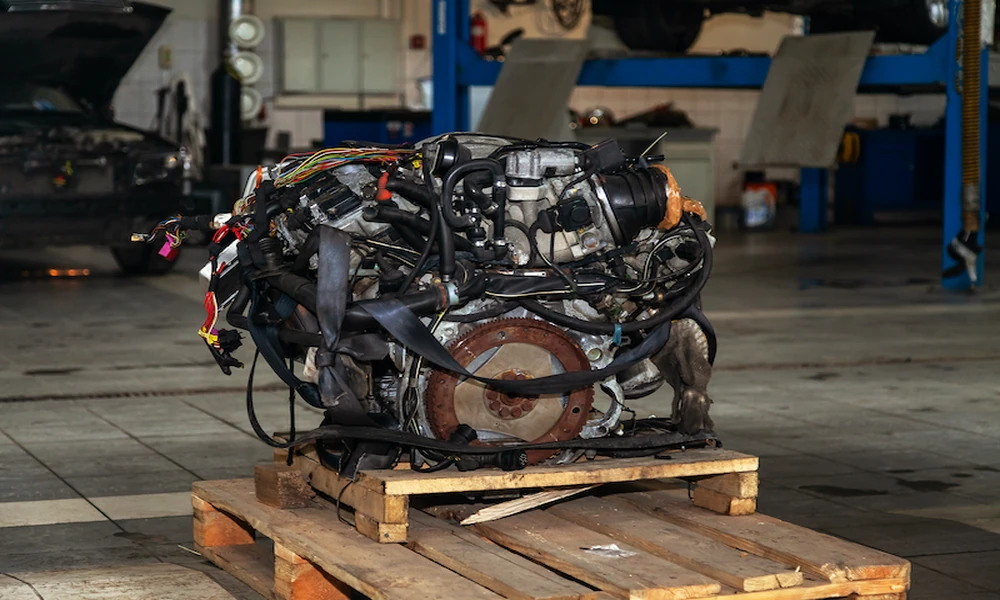
A used engine swap front-loads the risk and back-loads the savings. The engine itself is a fixed, visible number, and a low-mileage imported unit often costs a fraction of a full rebuild. Labor is usually lower too, because pulling and dropping a complete assembly is faster than machining and reassembling one. Resources that walk through pricing a swap, including seller catalogs where you can compare engine costs directly, are worth a look before you commit either way; you can click here to see how used engine and transmission prices actually stack up against a shop’s rebuild quote.
The catch is the parts that do not come in the crate. Mounts, a new timing belt or chain while access is easy, a water pump, seals, sensors that may not transfer cleanly, and any adapter needed if the imported version differs slightly from your car’s original wiring. Budget for those, because they are the difference between a swap that stays cheap and one that quietly creeps toward rebuild territory.
There is also a time dimension that pure dollar figures hide. A rebuild ties your car up for as long as the machine shop’s queue and the reassembly take, which can stretch into weeks. A swap, with the replacement engine in hand, often measures in days. For anyone who needs the car back on the road quickly, that difference has real value even when the two paths cost about the same on paper. Downtime is a cost, and it belongs in the comparison alongside parts and labor. A borrowed car for three weeks, or a stretch of rideshare fares, quietly widens the gap between the two options in a way that never shows up on the shop’s written estimate.
The variables that flip the decision
Three factors move the answer more than any other.
Engine availability. If your car uses a common Honda, Toyota, or Nissan engine with a healthy import supply, swapping is easy and cheap. If it uses something rare, the used market is thin and a rebuild may be the only sane path.
The health of everything else. Pouring rebuild money into a chassis with a tired transmission and rust is throwing good money after bad. A cheaper swap makes more sense when the car is a daily driver you plan to run into the ground.
Who does the work. A capable home mechanic tilts the math toward a swap, because labor is the swing cost and they are supplying it for free. Paying shop rates on both sides narrows the gap.
A worked example makes it concrete
Consider a common front-drive four-cylinder that has spun a bearing. A full rebuild quote might cover machine work to check and correct the block, a set of pistons and rings, bearings, a gasket set, valve work, and a stack of labor hours. Add it up and the number often lands in territory that makes an owner of a fifteen-year-old car swallow hard. Now set beside it a low-mileage imported replacement engine at a fixed price, a handful of supporting parts to freshen during the install, and noticeably fewer labor hours because you are dropping in a complete assembly rather than machining one.
In that scenario the swap frequently comes in lower, sometimes substantially, and it gets the car back on the road faster. The rebuild buys you brand-new internals and total certainty about the engine’s history. The swap buys you a proven complete unit at a lower price with slightly more unknown about its past. Which certainty you are willing to pay for is the actual decision.
The calculation flips the moment the engine gets rare or expensive to source. On an unusual motor with a thin used market, the swap loses its price advantage and the rebuild’s certainty starts to look worth the money. That is why the same question produces opposite answers on two different cars, and why borrowing a friend’s conclusion rarely works. The numbers are specific to your engine, your car’s condition, and who is doing the labor.
A quick way to frame it
Before you commit, write down four numbers: the all-in rebuild quote including machine work, the price of a good used replacement engine, the supporting parts you will replace during the swap, and the labor hours each path demands. Multiply the hours by whatever your time or your shop is worth. The two totals sitting side by side usually make the decision for you, and they frequently surprise the person who walked in certain a rebuild was the only “real” option.
Enthusiast communities around Subaru, Mazda, and the rest have run this calculation thousands of times and posted the results, so you rarely have to guess at typical costs for your specific engine. Borrow their homework. The worst outcome is not choosing a swap or choosing a rebuild. It is choosing either one on gut feeling, discovering the hidden costs halfway through, and ending up with a bill that neither path should have produced. Price both first, and the smarter option tends to announce itself.