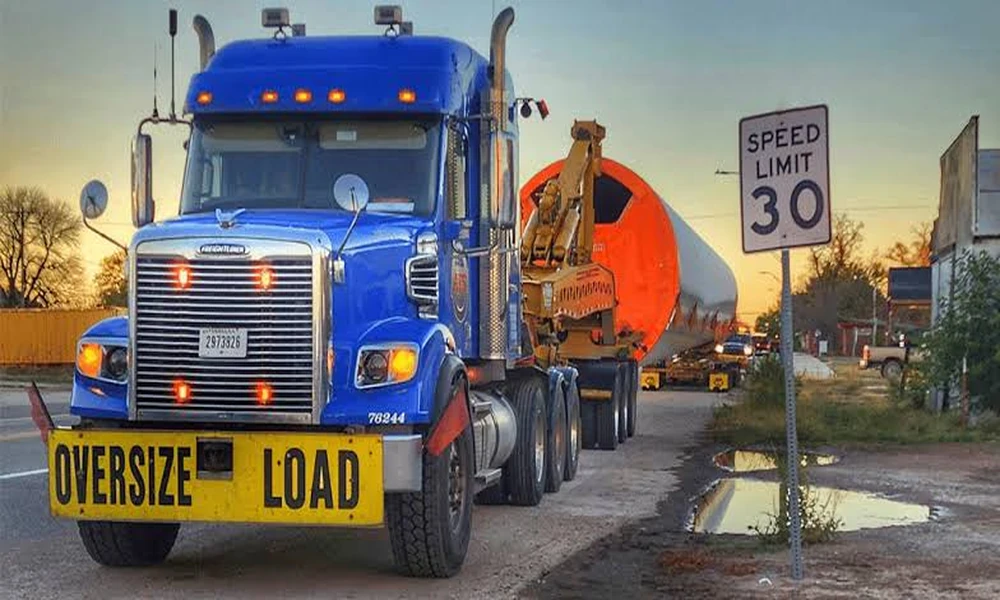

Transporting oversized freight requires careful preparation before a truck even leaves the yard. Drivers must combine technical knowledge, planning skills, and safe driving practices to handle loads that exceed standard dimensions or weight limits. Proper planning not only helps protect the cargo but also improves road safety and reduces the likelihood of delays. By following practical planning strategies, drivers can approach oversized freight transportation with greater confidence and efficiency.
Before focusing on route selection and vehicle inspections, drivers benefit from reviewing reliable resources that reinforce safe hauling practices and practical preparation techniques. Following Skills Drivers Need Hauling Tips can help operators better understand load securement, defensive driving strategies, permit requirements, and communication procedures before each trip. Building these skills early allows drivers to anticipate potential challenges, improve decision-making under changing road conditions, and complete oversized freight deliveries more safely and efficiently.
Review the Load Details
Every oversized load has unique requirements. Before beginning the trip, drivers should review the shipment’s dimensions, weight, and securement methods. Understanding these details helps determine suitable travel routes and identifies any special handling requirements.
Accurate knowledge of the cargo also helps drivers prepare for wider turns, reduced speeds, and additional stopping distance.
Study the Planned Route
Route planning is one of the most important parts of oversized freight transportation. Drivers should carefully examine the travel route to identify any obstacles that could affect the journey.
Areas to review include:
- Bridge height restrictions
- Weight-limited roads
- Construction zones
- Sharp curves
- Narrow intersections
Identifying these factors in advance helps reduce unexpected disruptions and supports a safer trip.
Inspect the Vehicle Thoroughly
A complete pre-trip inspection helps ensure the truck is ready for the demands of hauling oversized freight. Drivers should examine all major vehicle systems before departure.
Important inspection points include:
- Tires and tire pressure
- Brake performance
- Lights and warning signals
- Mirrors and visibility
- Cargo securement equipment
Addressing mechanical concerns before leaving can prevent breakdowns and improve overall safety.
Prepare for Different Driving Conditions
Road and weather conditions may change throughout the trip. Rain, strong winds, heavy traffic, or uneven road surfaces can affect vehicle handling.
Drivers should adjust their speed, increase following distance, and remain alert to changing conditions. Adapting driving techniques, when necessary, helps maintain control and protect the cargo.
Strengthen Communication Skills
Oversized freight transportation often involves coordination with dispatchers, escort vehicle operators, and logistics personnel. Clear communication helps everyone stay informed about road conditions, schedule updates, and unexpected obstacles.
Reporting issues promptly allows support teams to make route adjustments and minimize delays.
Practice Safe Driving Habits
Safe driving remains essential throughout every oversized freight journey. Drivers should avoid sudden braking, rapid acceleration, and abrupt steering movements, as these actions may affect load stability.
Maintaining consistent speeds and allowing additional space between vehicles improves overall road safety and reduces unnecessary risks.
Stay Informed About Regulations
Oversized freight transportation is governed by specific rules that may vary depending on the route or jurisdiction. Drivers should understand permit requirements, travel restrictions, and any escort vehicle regulations before departure.
Keeping current with transportation requirements helps ensure compliance and prevents avoidable interruptions.
Continue Building Professional Skills
Experience and ongoing training help drivers become more confident when transporting oversized loads. Regular practice, safety workshops, and reviewing updated industry guidelines improve both driving ability and decision-making.
Continuous learning also prepares drivers to handle new challenges as transportation standards evolve.