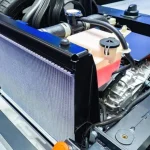

The engine cooling system relies on several vital components working in perfect harmony together. Drivers often notice rising temperature gauges and immediately blame the large front radiator unit. However, the small thermostat often causes these identical symptoms when it fails to open. Experts at EAS Tire & Auto consistently see customers misdiagnosing these thermal regulation issues during routine inspections. You might find that your vehicle overheating stems from simple mechanical gate failures.
Common Symptoms of Overheating
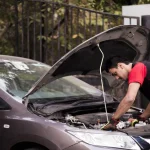
Drivers frequently observe a spiking temperature needle on the dashboard when cooling systems fail. Steam escaping from the hood signals severe pressure buildup within the sealed metal hoses. These classic warning signs occur regardless of whether the radiator or thermostat causes issues. The engine block retains immense heat without proper circulation through the front cooling fins. You may notice inconsistent cabin heating performance during cold winter morning commutes as well. Mechanics at EAS Tire & Auto frequently test coolant flow rates to isolate these specific thermal blockages. Persistent high temperatures eventually cause permanent internal engine damage if left completely unaddressed today.
Why Misdiagnosis Occurs Regularly
The radiator and thermostat share responsibility for maintaining consistent engine operating temperature ranges daily. Visual inspection of a radiator reveals debris or leaks while thermostats remain hidden away. So, the radiator becomes the primary suspect for many frustrated amateur automotive repair enthusiasts. Shops like Auto Repair in Englewood, CO service provide professional diagnostic tools to identify these obscure failures. A professional technician verifies whether coolant flows through the top hose under normal pressure.
Testing the Cooling System Flow
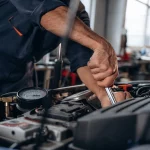
You should verify thermostat operation before assuming the radiator requires a full unit replacement. Professional shops often use infrared temperature guns to scan hose heat levels accurately. A cold bottom radiator hose indicates that the thermostat remains closed despite high temperatures. This simple test confirms that coolant cannot reach the heat exchange surface effectively now. Technicians at EAS Tire & Auto utilize these reliable methods to save clients significant money on repairs. Replacing a faulty thermostat costs a fraction of the price of new radiator units. Proper diagnosis ensures that the actual broken mechanical part receives the necessary expert attention.
Choosing the Right Professional Repair
Addressing cooling system malfunctions requires accurate identification of the failing component within the loop. Attempting complex repairs without correct diagnosis often leads to repeated overheating and engine stress. Quality parts ensure long term reliability for your vehicle cooling system performance standards today. Experienced mechanics understand the subtle differences between flow restrictions and actual surface area blockages. They perform pressure tests to check for hidden leaks within the complex hose network. Reliability remains the most important factor when choosing a facility for critical engine work. Always consult trusted professionals to evaluate the health of your entire automotive cooling architecture.