
A car can look clean and still have paint that seems dull, hazy, or covered in small scratches. You may wash it, dry it, and even apply wax, but something still looks off.
That is where paint correction comes in.
Paint correction is a detailing process used to improve the appearance of automotive paint by reducing visible defects in the clear coat. These defects often include swirl marks, light scratches, oxidation, water spots, and other surface imperfections.
It does not involve repainting the vehicle. Instead, it carefully removes a very small amount of the clear coat to create a smoother and more reflective surface.
What Does Paint Correction Actually Do?
Most modern vehicle paint systems include a color coat covered by a clear protective layer. Over time, that clear coat can develop imperfections.
Automatic car washes, dirty towels, improper washing methods, road debris, bird droppings, hard water, and sunlight can all affect how the paint looks.
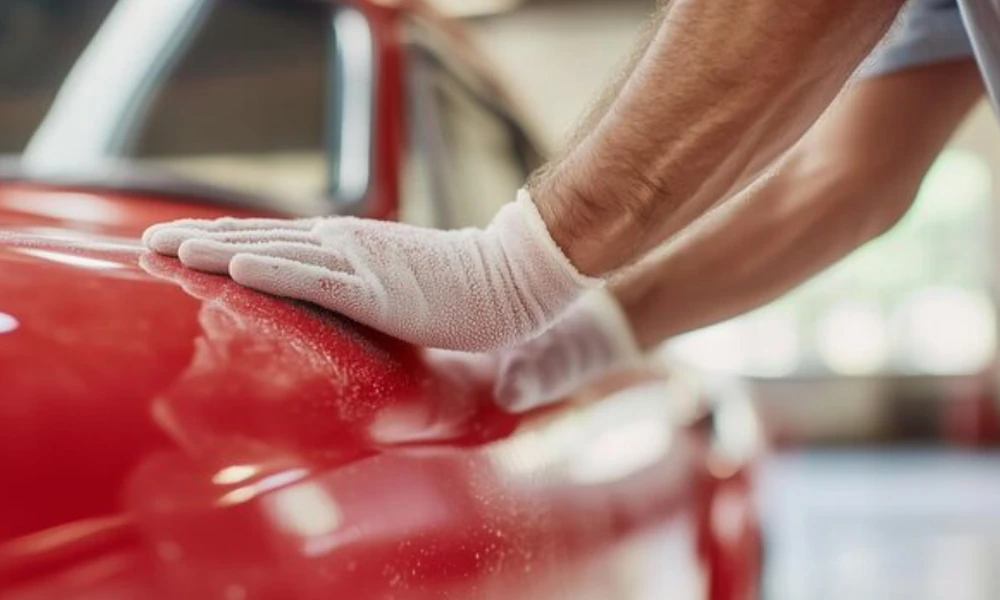
Paint correction uses machine polishers, polishing pads, and compounds to reduce those visible defects.
When done properly, the surface can appear deeper, glossier, and more even.
Still, paint correction is not magic. Deep scratches that pass through the clear coat may not disappear completely. Some damage may require touch-up paint or repainting.
What Are Swirl Marks?
Swirl marks are fine scratches that often become more noticeable under direct sunlight or bright lights.
They may look like circular webs across the paint.
These marks commonly come from poor washing techniques, dirty wash mitts, automatic brushes, or rough drying towels.
Black and dark-colored vehicles tend to show them more clearly, but they can appear on any paint color.
Paint correction can reduce or remove many light swirl marks depending on their depth.
When Does a Car Need Paint Correction?
Your car may benefit from paint correction if the paint looks dull even after a proper wash.
Other common signs include:
- Visible swirl marks in sunlight
- Light scratches across the body
- Cloudy or hazy paint
- Water spots that do not wash away
- Mild oxidation
- Reduced gloss
- Marks left behind by poor polishing or washing
You might also consider paint correction before applying a ceramic coating or long-term paint protection product.
That is because protective coatings can lock in the current appearance of the paint. Correcting defects first can create a cleaner base.
Is Paint Correction the Same as Polishing?
Not exactly.
Basic polishing can improve gloss and remove minor imperfections. Paint correction is usually a more detailed process.
It may involve several steps, different polishing compounds, multiple pads, paint inspections, and careful testing.
Some vehicles only need a one-step correction. Others may need two or more stages to reduce heavier defects.
The goal is not always to chase perfect paint. Sometimes removing most of the visible swirls and restoring gloss is enough to create a major improvement.
Can Paint Correction Remove Deep Scratches?
It depends on how deep the scratch is.
A light scratch that only affects the upper part of the clear coat may improve significantly.
A deeper scratch that reaches the color coat or exposes primer usually cannot be safely polished away.
A simple rule is that if you can strongly catch your fingernail in the scratch, it may be too deep for complete correction.
Trying to remove too much clear coat can cause permanent damage, so knowing when to stop matters.
How Long Does Paint Correction Last?
The results can last for years if the vehicle is cared for properly.
However, paint correction does not stop future scratches from happening.
Poor washing habits, rough towels, automatic brushes, and improper drying can quickly bring swirl marks back.
Using gentle washing methods, clean microfiber towels, proper drying techniques, and suitable paint protection can help maintain the finish.
A wax, sealant, or ceramic coating may also help protect the corrected surface.
Is Paint Correction Worth It?
For someone who cares about how their car looks, it can make a noticeable difference.
Paint correction is especially useful for older vehicles with faded gloss, dark-colored cars with visible swirl marks, or vehicles being prepared for sale or long-term protection.
Still, not every car needs a full correction.
Sometimes a light polish is enough. In other cases, deeper paint damage may need different repairs.
The best approach is to look closely at the condition of the paint, understand what defects are present, and choose the level of correction that makes sense.
When done carefully, paint correction can bring back clarity, depth, and shine that ordinary washing simply cannot achieve.
This post was written by a professional at MVP Auto Detailing. MVP Auto Detailing is built on quality, reliability, and pride. Based in Clearwater, FL, we provide professional detailing with convenience and care you can trust, including Exterior Car Detailing St Petersburg FL services for drivers who want their vehicle looking clean and protected. We treat every vehicle like our own and every customer like family.