
There is a particular stretch of automotive history, roughly spanning the late 1980s through the early 2000s, that enthusiasts refer to almost reverently as the golden era of Japanese performance. During these years, Japan’s major manufacturers were locked in a fierce, creative rivalry, and the vehicles they produced for their home market became legends. Today, as these cars cross the threshold of legal importation into markets like the United States, a new generation of drivers is discovering why they earned such devotion. This is a tour through the machines that define the era and continue to command attention wherever collectors gather.
Why This Era Produced Such Remarkable Machines
To appreciate these cars, it helps to understand the conditions that created them. Japan’s economy was booming, engineering budgets were generous, and a gentleman’s agreement among manufacturers nominally capped horsepower figures, which paradoxically pushed development toward clever engineering rather than brute output. Companies competed on handling balance, chassis rigidity, drivetrain innovation, and reliability, producing vehicles that felt sophisticated well beyond their price points. Many of these cars were also tuned specifically for the domestic market, meaning the versions built for Japan were frequently sharper and more focused than anything exported.
The result was a catalog of vehicles that has aged extraordinarily well, both in terms of desirability and mechanical durability. Enthusiasts seeking high-quality JDM classic cars gravitate toward this period precisely because the engineering was ambitious and the build quality was exceptional. These were not disposable economy cars; they were carefully developed performance machines that happened to also be dependable.
The Nissan Skyline Dynasty
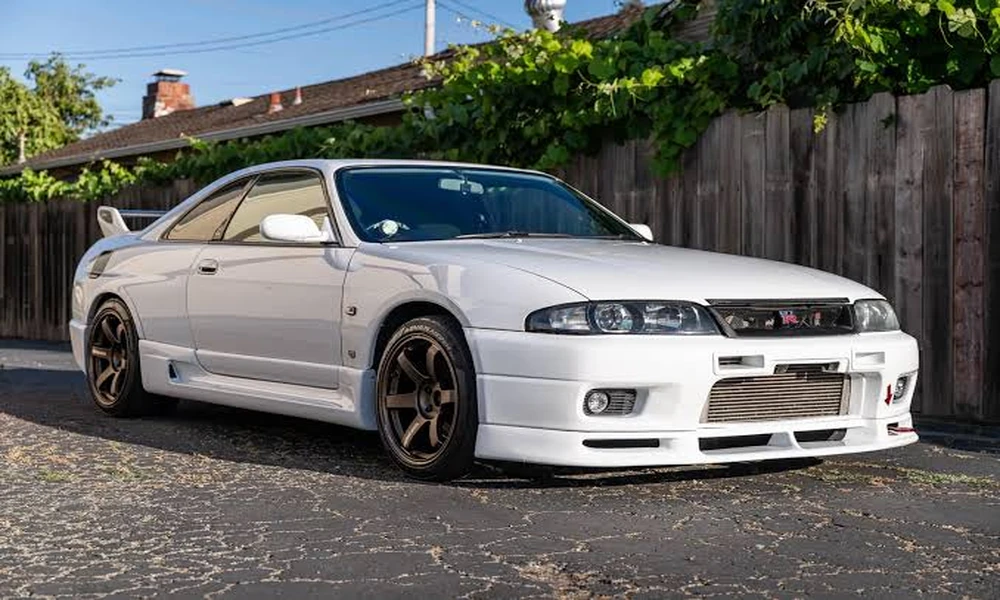
No discussion of Japanese performance can begin anywhere but the Nissan Skyline. The nameplate spans decades, but the R32, R33, and R34 generations occupy a special place in enthusiast imagination. The turbocharged inline-six engine, sophisticated all-wheel-drive system, and rear-wheel steering made these cars technological showcases, and their dominance in motorsport cemented a fearsome reputation. Even the more modestly specified Skyline variants, powered by smaller turbocharged engines, offer a rewarding driving experience and a genuine connection to the model’s storied heritage. For many collectors, a Skyline is the ultimate expression of the era, and prices for the best examples reflect that status.
Toyota’s Understated Performers
Toyota approached performance with a characteristic blend of refinement and engineering depth. The Chaser, particularly in its Tourer V specification, paired a smooth turbocharged straight-six with a comfortable four-door body, creating a sleeper that could surprise far flashier machines. The Aristo delivered luxury-sedan comfort wrapped around a genuinely potent drivetrain, offering a compelling mix of grand touring capability and hidden pace. And the Celica, especially in its all-wheel-drive and higher-strung trims, showcased Toyota’s willingness to build focused, driver-oriented coupes. These cars rarely shout, but they reward the owner who appreciates thoughtful, durable engineering.
Honda’s Precision Instruments
Honda made its name not through turbocharging but through the relentless pursuit of naturally aspirated perfection. The Integra Type-R stands as one of the finest front-wheel-drive cars ever produced, with a high-revving engine, a slick manual gearbox, and chassis tuning so precise that it remains a benchmark decades later. Owning one is less about straight-line speed and more about the purity of the driving experience, the way the car responds to inputs with an immediacy that modern vehicles often smooth away. For drivers who value engagement over raw numbers, Honda’s Type-R models are difficult to beat.
The Rally-Bred Icons
The Subaru Impreza WRX STI and the Mitsubishi Lancer Evolution grew out of the fierce world of rally competition, and it shows in every aspect of their design. Turbocharged, all-wheel-drive, and endlessly capable in poor conditions, these cars translated motorsport technology into vehicles ordinary drivers could own and enjoy. Their rivalry mirrored the manufacturers’ battles on the world rally stage, and each new generation escalated the competition. Today they are celebrated for their all-weather usability and their tuning potential, making them favorites among enthusiasts who want a classic they can genuinely drive year-round.
Beyond the Headliners
While the marquee performance cars draw the most attention, the golden era produced a wealth of other vehicles worth seeking out. Luxury sedans like the Toyota Celsior delivered a level of refinement that rivaled far more expensive European offerings. The Nissan Fairlady Z carried the sports-car torch with a distinctive character all its own. And rugged models like the Toyota Land Cruiser and Hilux Surf built reputations for near-indestructible reliability that endures to this day. Even the humble Kei truck has found an enthusiastic following, valued for its charm, practicality, and sheer personality. This breadth is part of what makes the era so rewarding to explore; there is a JDM classic to suit almost any taste and purpose.
What to Look for When Buying
Anyone entering this world should approach a purchase with both passion and prudence. Condition is paramount. Because many of these cars are now decades old, factors like rust, accident history, and the integrity of the drivetrain matter enormously. Original, unmodified examples tend to hold their value best, though tastefully upgraded cars have their own appeal. Documentation, including service records and, where available, Japanese auction sheets, provides valuable insight into a vehicle’s history and condition.
Mileage is worth considering, but it should be weighed alongside maintenance quality rather than treated as the only measure. A well-maintained car with moderate mileage often makes a better long-term ownership proposition than a low-mileage example that has been neglected. Buyers should also research parts availability for their chosen model, since some vehicles are far easier to keep running than others. It pays to connect with model-specific owner communities before buying, as they can reveal known weak points, typical repair costs, and which specifications tend to hold up best over time. A little research at this stage can save considerable expense and frustration down the road.
Preserving the Legacy
These cars represent more than transportation; they are artifacts of a remarkable chapter in automotive history. Each well-preserved example that finds a caring owner helps ensure the legacy of the golden era endures for future enthusiasts. As eligible cars grow scarcer and appreciation continues to spread beyond Japan, the community of owners and admirers keeps expanding, sharing knowledge, parts, and passion.
For the newcomer, the sheer variety can feel overwhelming, but that abundance is precisely the joy of it. Whether the dream is a turbocharged icon, a precision-engineered front-drive coupe, a rally legend, or an understated luxury cruiser, the golden era of Japanese performance offers something genuinely special. These machines earned their legendary status honestly, through engineering ambition and driving character that still resonate today. Discovering them, and perhaps eventually owning one, connects a driver to a moment when Japanese manufacturers were building some of the most compelling cars the world had ever seen.