
For fleet managers and owner-operators, the engine is the heartbeat of the business. When that heartbeat falters, the financial ripple effects are immediate. In heavy-duty hauling, the Cummins ISX 15 is renowned for its durability and torque, but the turbocharger is the component that bears the brunt of the operational load.
A turbocharger that is losing efficiency doesn’t always fail catastrophically with a loud bang or a cloud of smoke. More often, it is a gradual decline-a slow bleed of horsepower and fuel economy that quietly erodes your profit margins per mile. Recognizing these subtle shifts is the difference between a scheduled maintenance stop and an emergency roadside tow.
Recognizing the Warning Signs of Turbo Degradation
Efficiency loss often manifests as a “lazy” engine. You might notice that the truck takes longer to reach cruising speed or struggles more than usual when climbing steep grades. This is often a sign that the turbo is no longer providing the optimal boost pressure required for the engine to breathe efficiently.
The Fuel Economy Slide
One of the most reliable indicators of a failing turbo is a sudden, unexplained dip in MPG. When the turbocharger fails to deliver the correct amount of compressed air into the combustion chamber, the air-to-fuel ratio is disrupted. The engine may compensate by injecting more fuel to maintain power, leading to increased consumption and higher operating costs.
Exhaust and Emission Anomalies
Keep a close eye on your exhaust. While a little soot is common in older diesel engines, a steady stream of black smoke under load typically indicates a rich fuel mixture caused by insufficient boost. Additionally, if you notice a bluish tint to the smoke, it may signal that oil is leaking past the turbo seals and burning in the exhaust stream.
Audible Clues
While a high-pitched “scream” or “whine” can sometimes be normal, a change in the pitch or the introduction of a grinding sound is a red flag. This often points to bearing wear or impeller damage, both of which directly impact how efficiently the unit can compress air.
Common Causes of Efficiency Loss
Understanding why a turbo loses efficiency is critical to preventing a recurrence after a repair. The turbocharger operates at extreme temperatures and speeds, making it highly sensitive to the quality of the oil and air entering the system.
Oil Contamination and Lubrication Failure
The turbo relies on a constant film of clean oil to prevent the shaft from touching the housing. If oil change intervals are stretched too far, or if low-quality lubricants are used, carbon deposits (coking) can build up. This restricts oil flow and increases friction, slowing down the turbine and reducing overall efficiency.
Air Intake Leaks
Sometimes the turbo itself is functioning perfectly, but the system around it is failing. A cracked boot or a loose clamp in the charge air cooler (CAC) piping allows pressurized air to escape before it reaches the cylinders. This “boost leak” mimics the symptoms of a dying turbo, forcing the engine to work harder to achieve the same output.
Foreign Object Damage (FOD)
Even a small piece of debris entering the intake can nick or bend a compressor wheel blade. Because the turbo spins at tens of thousands of RPMs, even a minor imbalance can lead to vibration and a significant drop in compression efficiency.
Strategic Solutions for Restoring Performance
When efficiency drops, the goal is to return the vehicle to its baseline performance without incurring unnecessary downtime.
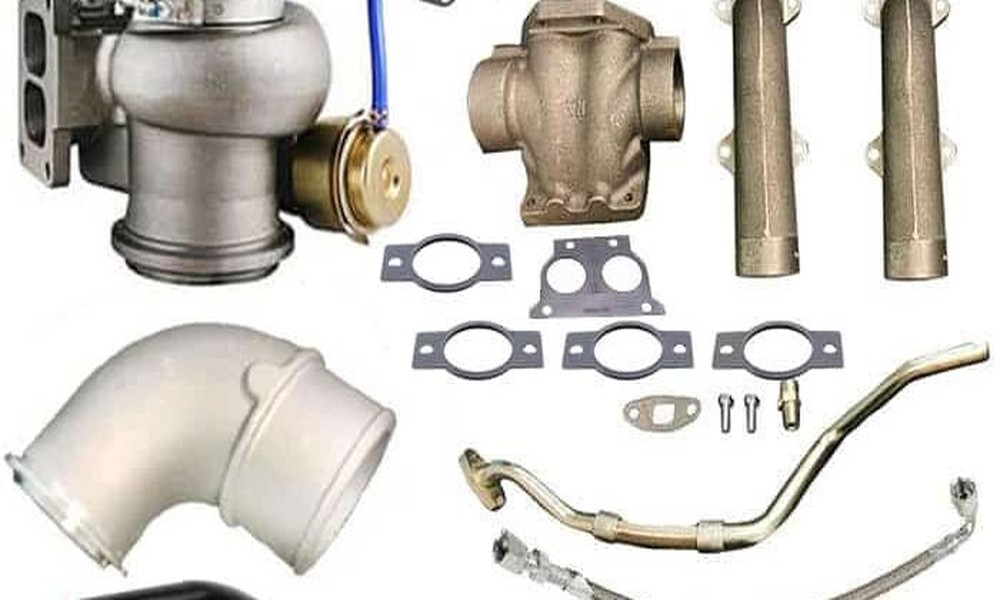
For those managing a fleet, the first step is a comprehensive diagnostic check. This includes monitoring boost pressure via a scan tool to see if the turbo is meeting its rated specifications. If the hardware is compromised, replacing the unit with a high-quality Cummins ISX 15 Turbo ensures that the engine regains its original power curve and fuel efficiency.
Preventative Measures for Long-Term Health
To avoid future efficiency losses, implement a strict regimen of:
- High-Quality Filtration: Use premium air filters to prevent particulate matter from eroding the compressor wheel.
- Strict Oil Intervals: Adhere to manufacturer-recommended oil change intervals to prevent coking.
- Cool-Down Periods: Encourage drivers to let the engine idle for a few minutes after a heavy haul before shutting it down. This prevents oil from overheating and baking inside the turbo housing.
By treating the turbocharger as a precision instrument rather than a static piece of iron, operators can extend the life of their engines and keep their cost-per-mile as low as possible. Ignoring the early signs of efficiency loss only leads to more expensive repairs and unplanned downtime that your schedule cannot afford.